Application engineering guidance
Five operating fields structured as technical selection notes. Each note starts with wear mechanism and operating questions — never a universal grade recommendation.
Application engineering guidance
The guidance is indicative. Material class, dimensions, processing and inspection plan are determined against the actual application and order.
Indicative- A01Application engineering note
Buckets and attachments
Map material flow, impact zones and the repair route before selecting hardness class and plate layout.
Open engineering note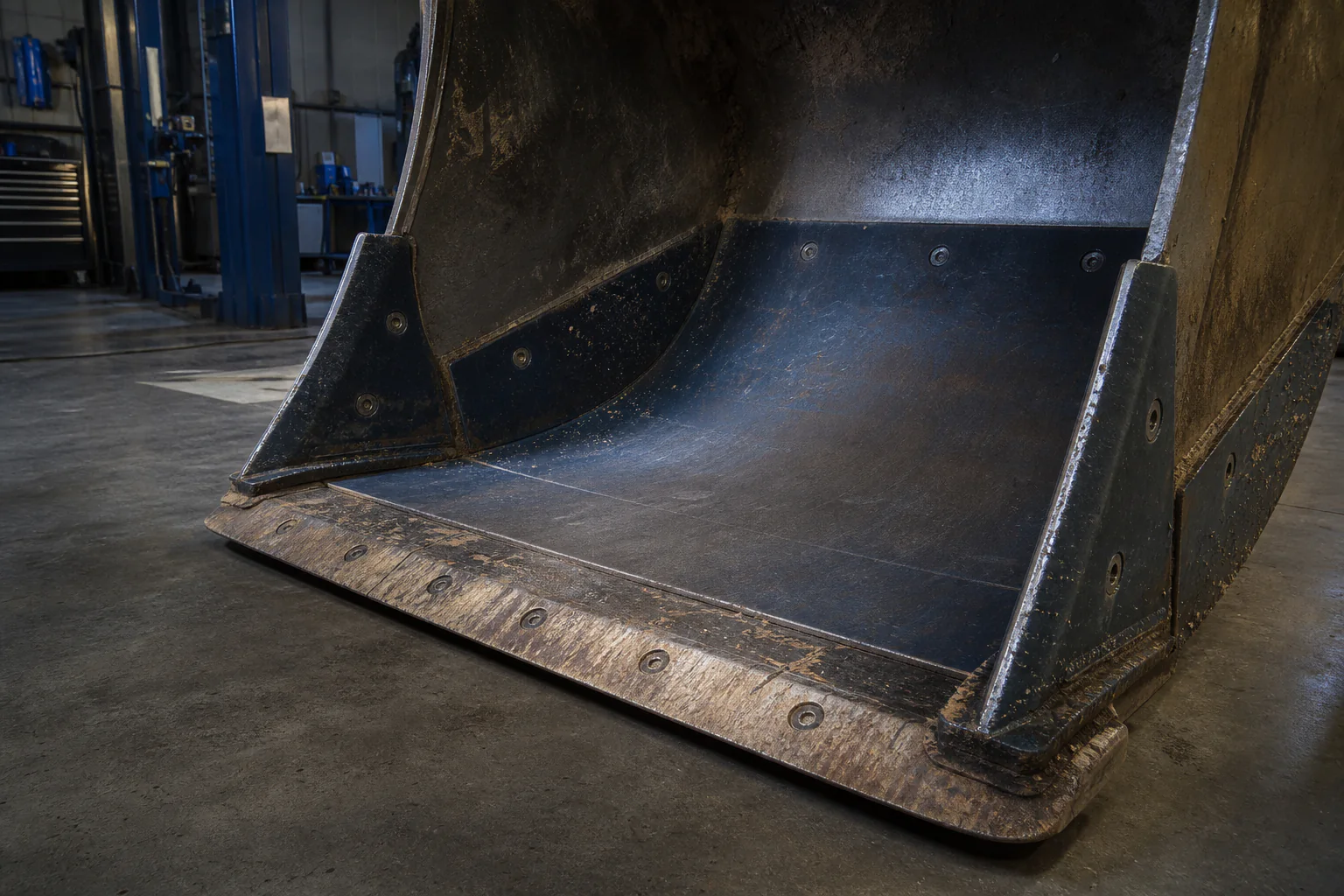
AI-generated concept visual — not evidence of stock, a customer project or operations. - A02Application engineering note
Mining and quarry
Fragment size, angularity, moisture and drop height govern the abrasion-and-impact combination.
Open engineering note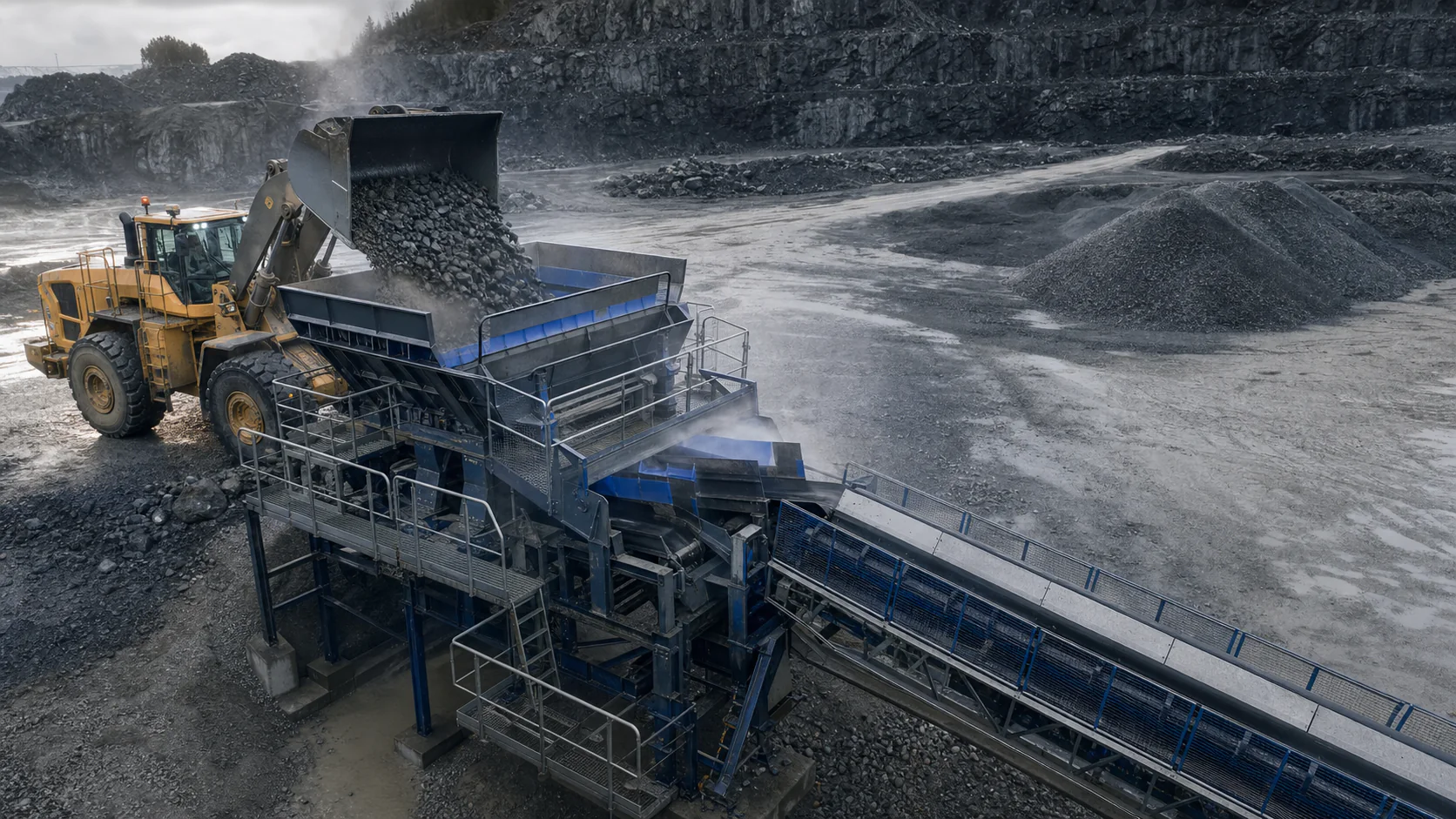
AI-generated concept visual — not evidence of stock, a customer project or operations. - A03Application engineering note
Recycling and demolition
Mixed abrasion, impact and cutting contact require zoned design and a clear replacement strategy.
Open engineering note
AI-generated concept visual — not evidence of stock, a customer project or operations. - A04Application engineering note
Material handling
Flow speed, angle and transitions define the wear path in continuous handling systems.
Open engineering note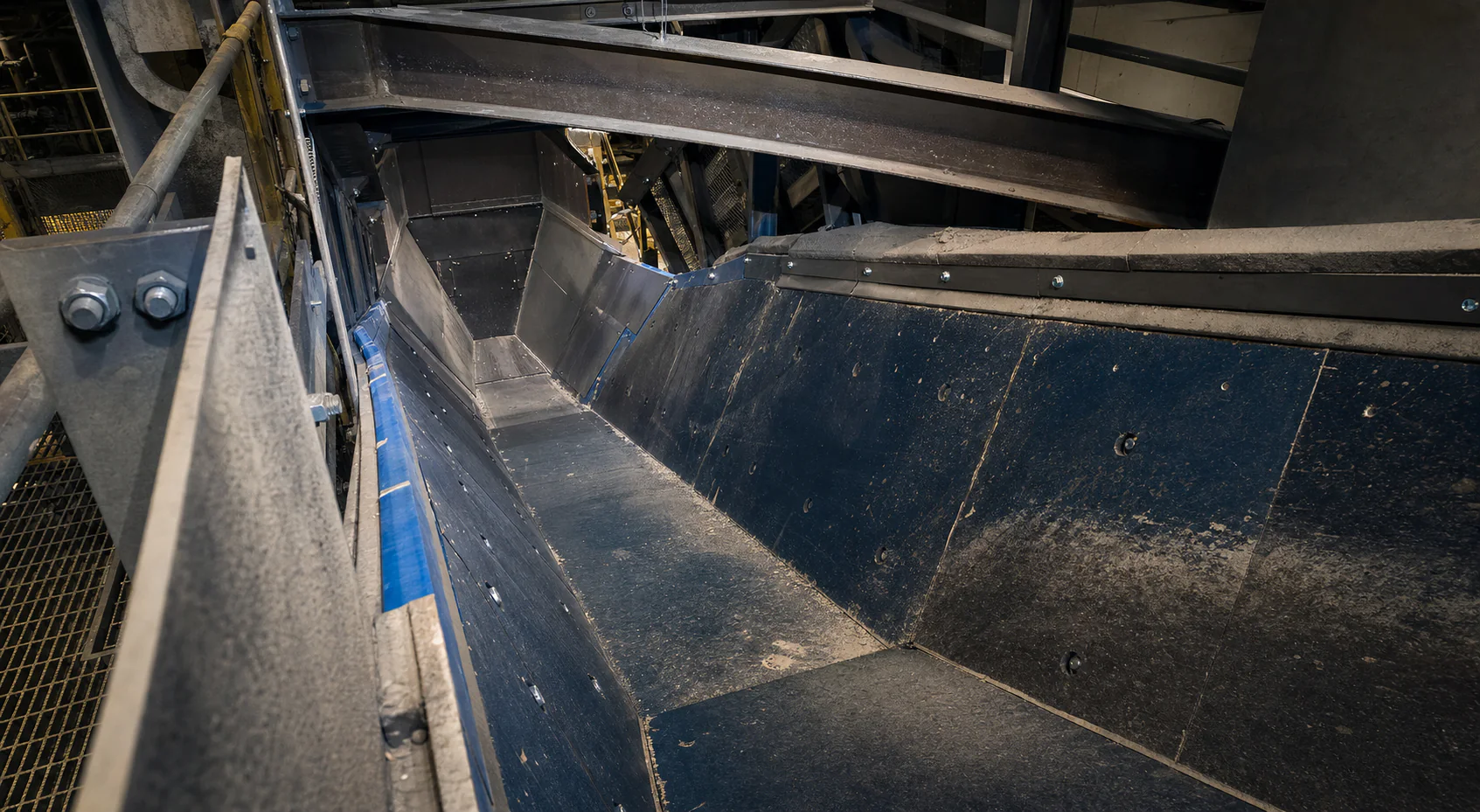
AI-generated concept visual — not evidence of stock, a customer project or operations. - A05Application engineering note
Forestry and agriculture
Soil, sand, stone and cyclic impact must be balanced against low mass, repairability and seasonal service.
Open engineering note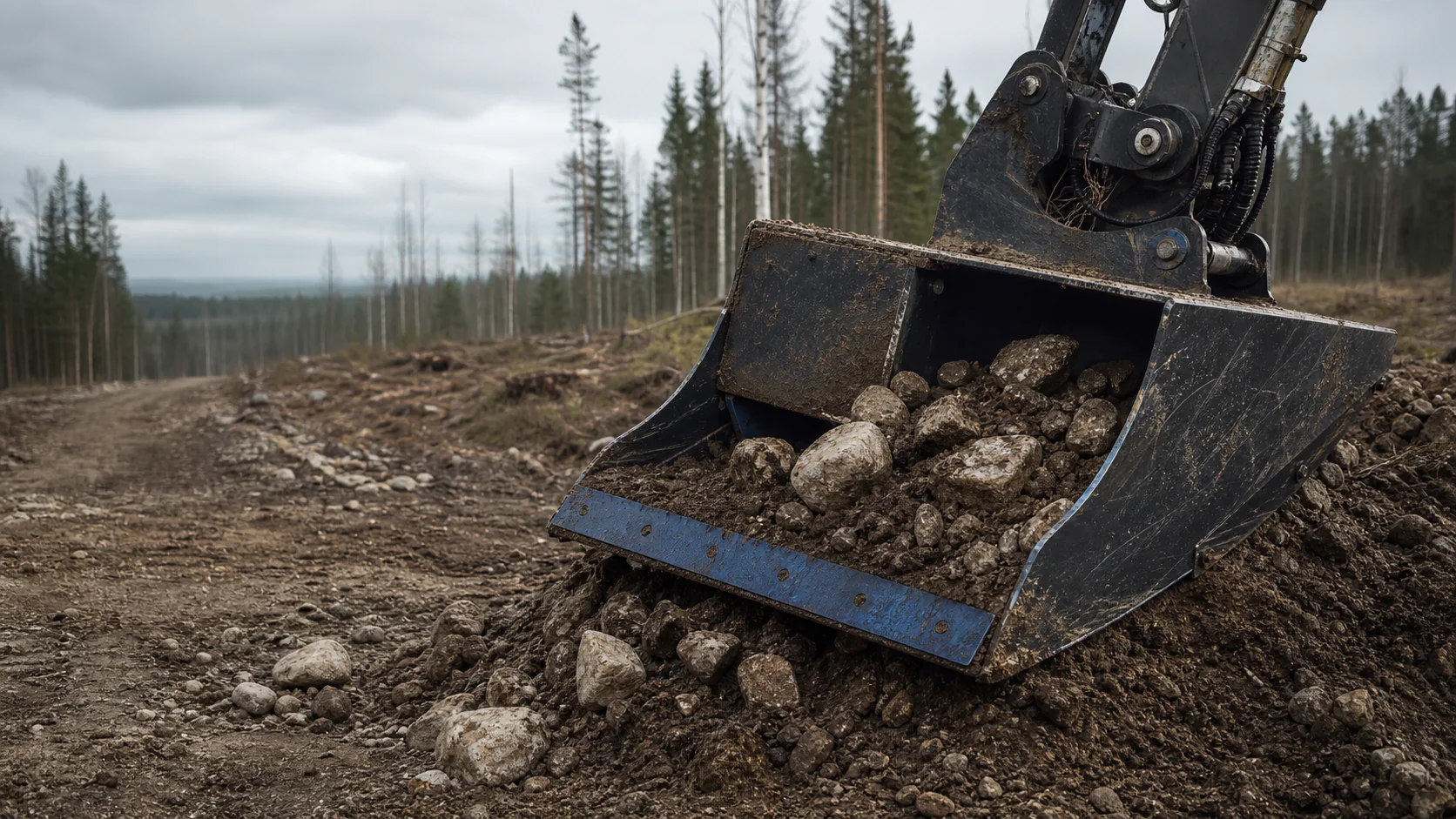
AI-generated concept visual — not evidence of stock, a customer project or operations.